

2024 - 2026
Senior Consultant in Service Design
As a Senior Consultant in Service Design for Hippo my responsibilities have included:
Providing long-term service design consultancy to both the NHS in the UK, across 3 strategic areas of service improvement and a 1-year posting at the BBC.
Developing commercial client relationships and working as part of multi-disciplinary teams throughout design & research at the NHS as well as a acting as a solo embedded practitioner within the BBC internal team structure.
Working to Government Digital Service (GDS) service standards including service assessments and the Discovery, Alpha, Beta model within the NHS. While adapting and developing BBC service standards and approaches to design, research and systems change internally.
Project leadership and accountability of senior practitioners across a range of programs and line management of two service designers.
Embedded within the NHS as a multi-disciplinary team of service design, user research, business and technical analysis, as well as content design.
1. Service design consultancy within multi-disciplinary teams2. Government Digital Service (GDS) service standards and assessment
Working to GDS service standards and assessment, acting as project lead for the Alpha assessment of the high-profile Medical Examiner Service, which assesses recorded death certificates by doctors in England & Wales, allowing cases to be managed.
Embedded within the NHS and project leading service improvements across Discovery, Alpha & Beta stages of service delivery as per GDS service standards.
3. Digital services at various points in their life cycle of delivery & implementation4. Supporting product managers with high-profile government service improvement
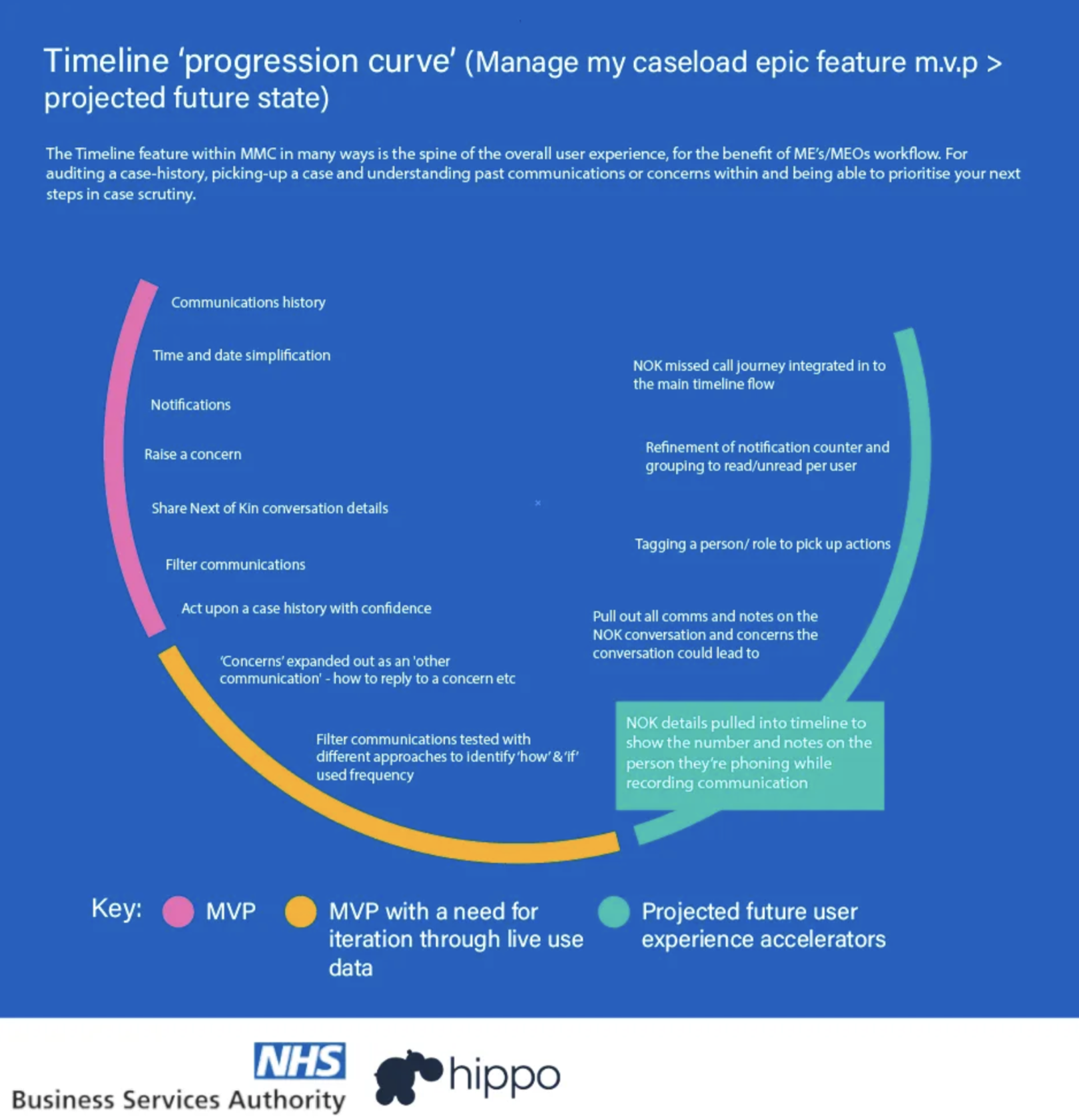
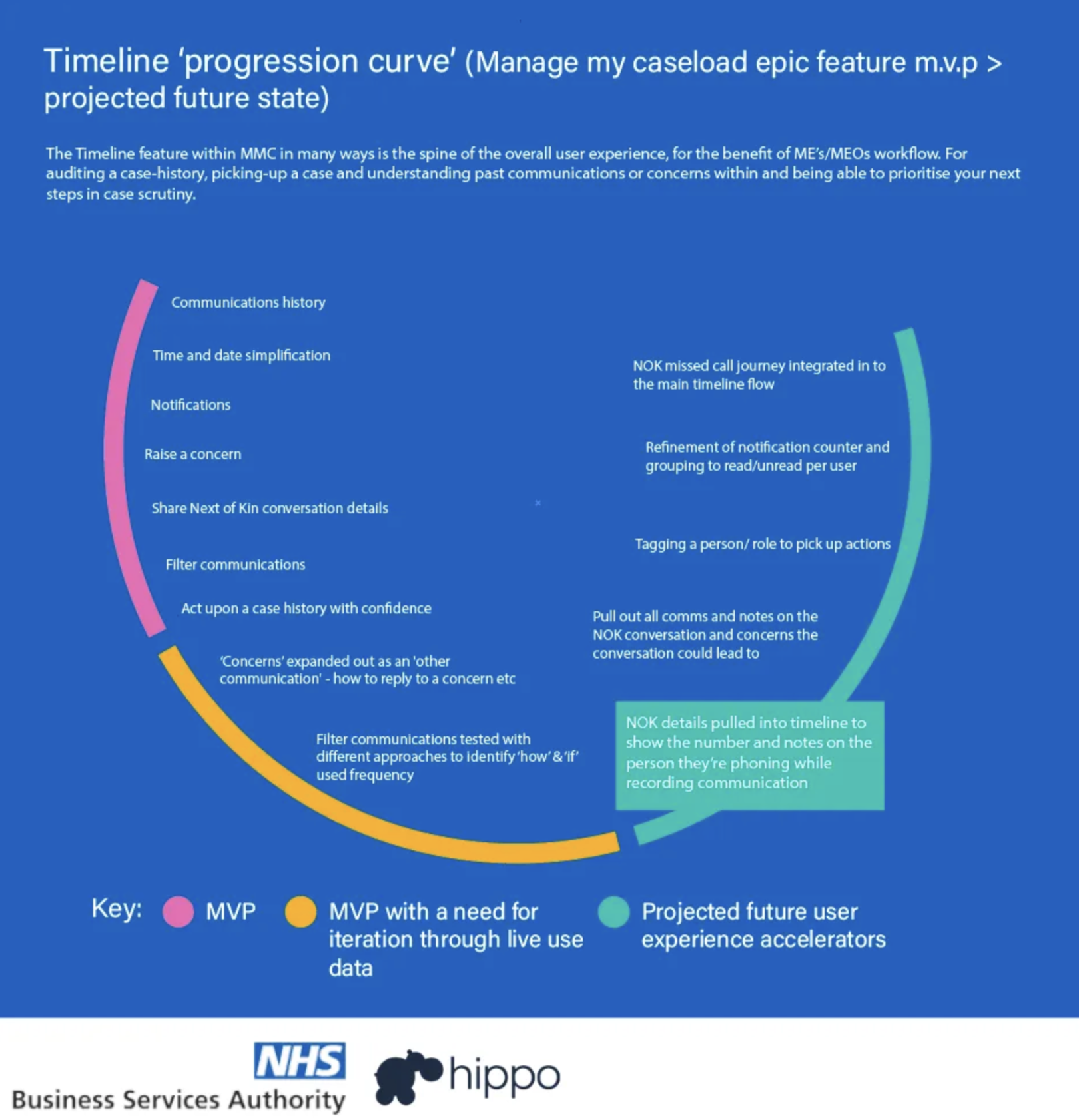
Introducing methodologies to support product owners to communicate their services and the positioning of them, beyond service assessments & service blueprints. Introducing MVP ‘progression curves’ and other aspects of visual communication.
Project Spotlight: Medical Examiner Service
The Medical Examiner Service/ Manage my Caseload is a high-profile service with a lot of political attention in England & Wales. Due to the nature of the overarching purpose of the service, essentially being to scrutinise the death certificates completed within healthcare, to identify discrepancies in patient deaths.
The service had previously failed a GDS assessment for Beta, having neglected to take a fully user-centered approach, largely being development-led rather than user needs driven. This in part was due to the original team lacking the user-centered design capacity which Hippo brings, but also down to the environment where user research would be carried out.
The users of the service are clinical doctors who are stretched, making navigation of ‘designing the service with them, rather than for them’ as a principle, a challenging one for the prior team, or indeed any team to achieve.
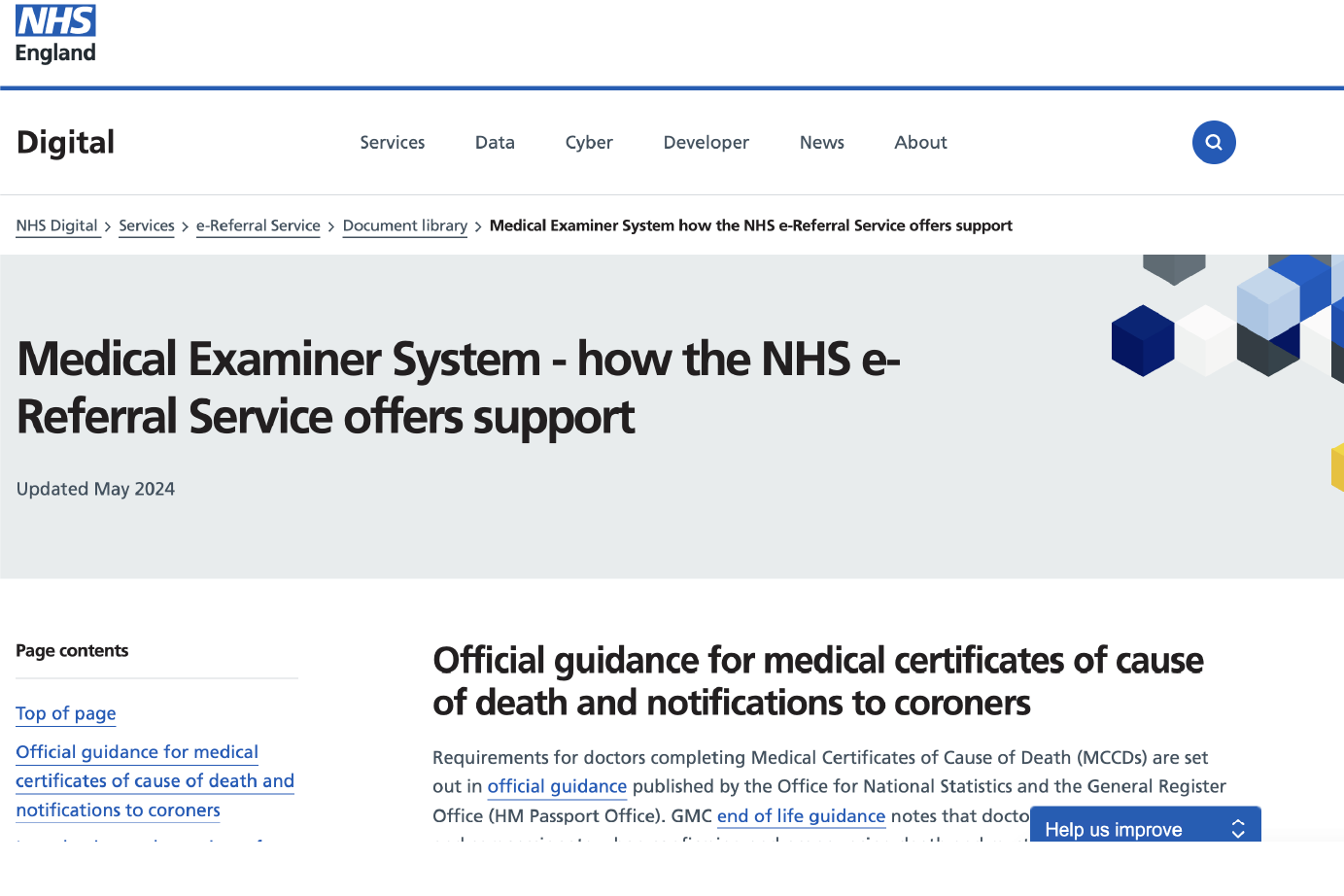
Methodologies I introduced to support the service as project lead
I approached taking over the project lead role as one where I needed to listen, rather than dictate a new vision initially. Taking time with each team member involved in the project from a multi-disciplinary group of researchers, designers, analysts and developers.
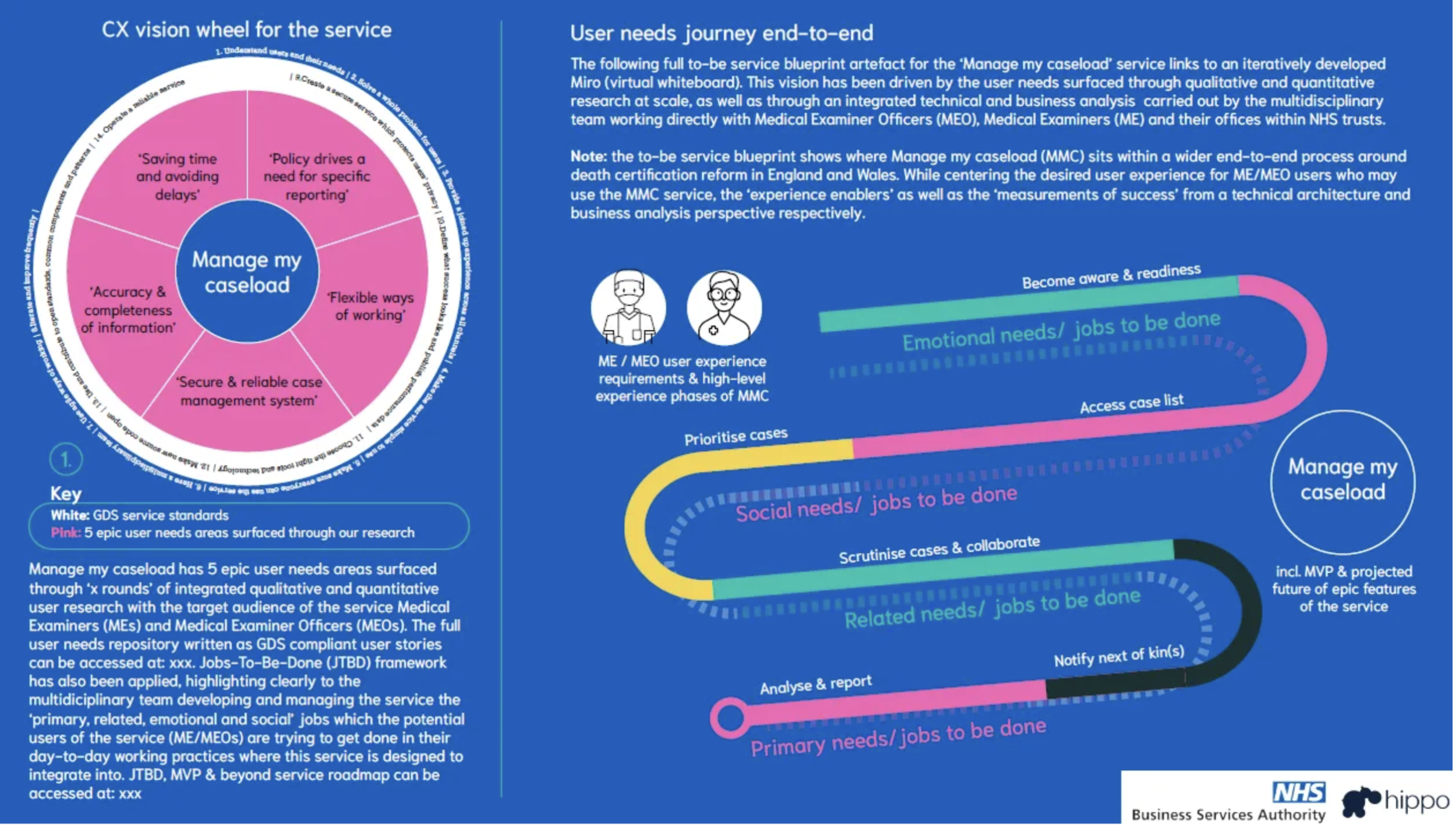
I introduced Jobs-To-Be-Done (JTBD) as a framework for prioritising the user needs repository (which had now surfaced 5-epic user needs and 41 unique user needs in total, through the expert facilitation of 12 rounds of user research with medical examiner offices). This allowed the team and stakeholders alike to group user needs into primary, related, emotional and social needs of ‘Manage my caseload’ users.
I then ran a series of workshops with the team, product owners and relevant stakeholders within the NHS to define the MVP (minimum viable product) of each major feature area within the service. Producing ‘progression curve graphs’ to communicate the defined MVP, the areas to monitor through live use, and medium to long-term projections of each service area grounded within the evidence we had captured.
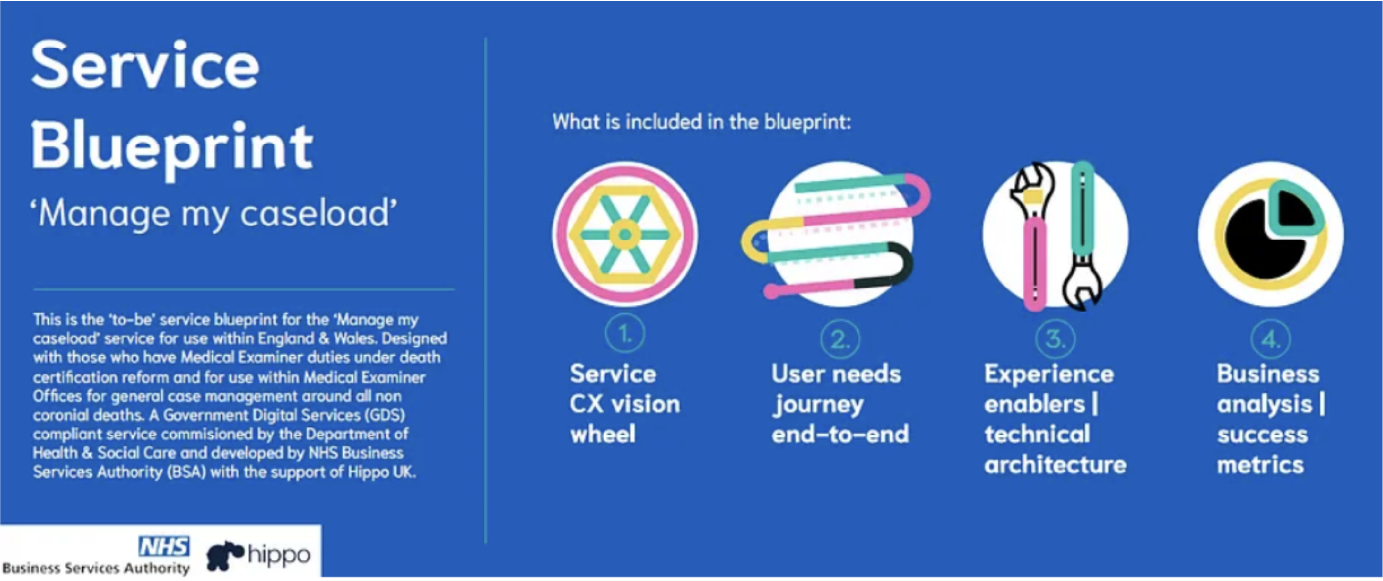
I led on the development of a ‘to-be’ service blueprint, visually communicating the CX vision of the service, target user experience when in live use by medical examiner offices. While also working closely with the technical architect from the NHS and business analysis roles, to ensure that the service blueprint also encapsulates ‘experience enablers’. Or, in other words the software, data processes, teams and roles which allow Manage my caseload to function.
Challenges addressed
Coordinating the GDS assessment materials, from across the Hippo and NHS multidisciplinary team. Ensuring that the team approach the service assessment with clear assurances that the 14 service standard points or requirements from a GDS compliant service will be met this time round.
Maintaining an assessment content tracker, while dedicating assessment content development time within each two-week sprint period. Working directly with a content designer and UX designer to develop a showcase site for the service assessment, which demonstrates a) that we understand our users deeply, b) the narrative behind our evidence-led design decision making and c) that we are clear on the operation of this service over time within the NHS and how outcomes will be measured.
The high-profile political nature of the service meant navigating senior stakeholders within the NHS and Department of Health. At times the traditional hierarchy of ‘bands’ or seniority within the NHS would prevent those from speaking-up depending on the dynamics of a room. As a service designer, taking proactive steps to address power imbalances was key, ensuring workshops, engagements, presentations and simple check-ins with mixed groups of stakeholders had values, principles and ways-of-working well communicated and defined. Acknowledging that any future direction for the service was grounded in user evidence, but also showcasing that service improvement was a MVP ‘test, build, learn’ cycle to allow for continuous improvement rather than the set-in-stone feature driven development. Given that the service had previously failed assessments with similar approaches.

Further work for Hippo
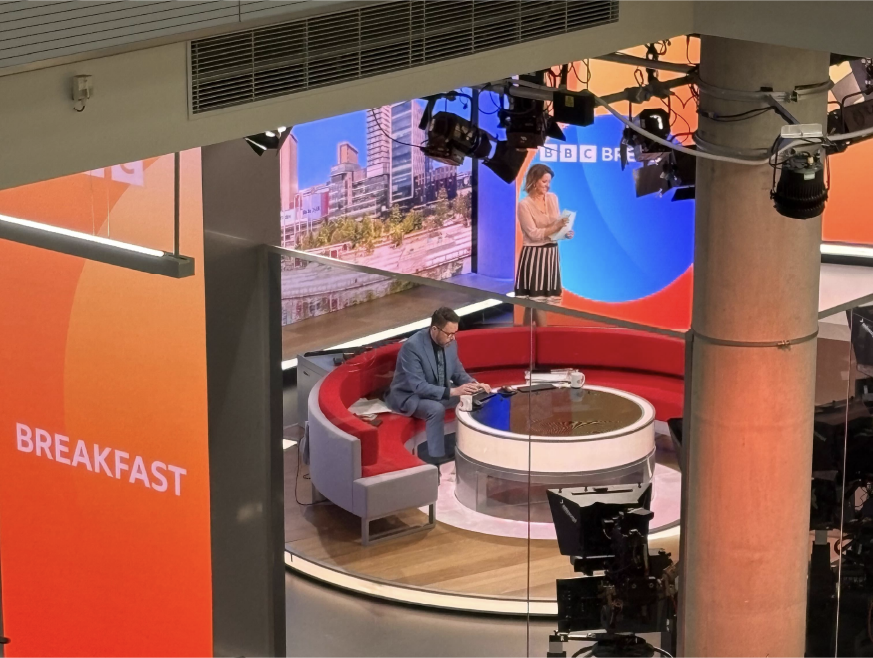
1-year embedded service design consultancy post at the BBC
Project lead accountability for a UX Designer and UX Researcher embedded within the BBC.
Line management of senior & intermediate service designers both providing consultancy within the NHS.
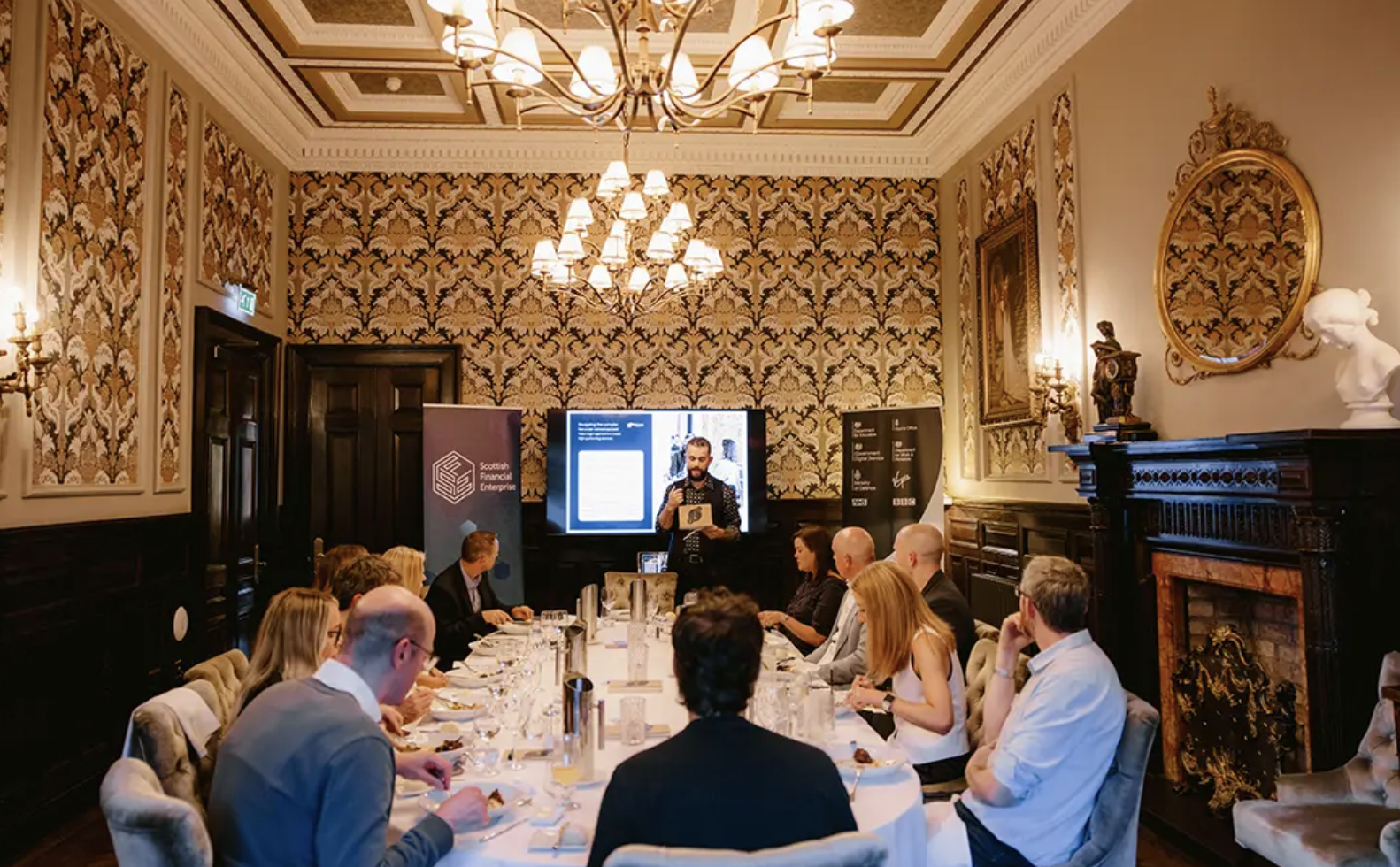
Business and commercial development with Scottish Financial Services and prospective clients from the financial sector.